
6.0 KiB
Template Development
How to create custom video templates.
Template Introduction
Video templates use HTML to define the layout and style of video frames. Pixelle-Video provides multiple preset templates covering different video dimensions and style requirements.
Built-in Template Preview
Portrait Templates (1080x1920)
Suitable for TikTok, Kuaishou, Xiaohongshu, and other short video platforms.
-
Blur Card
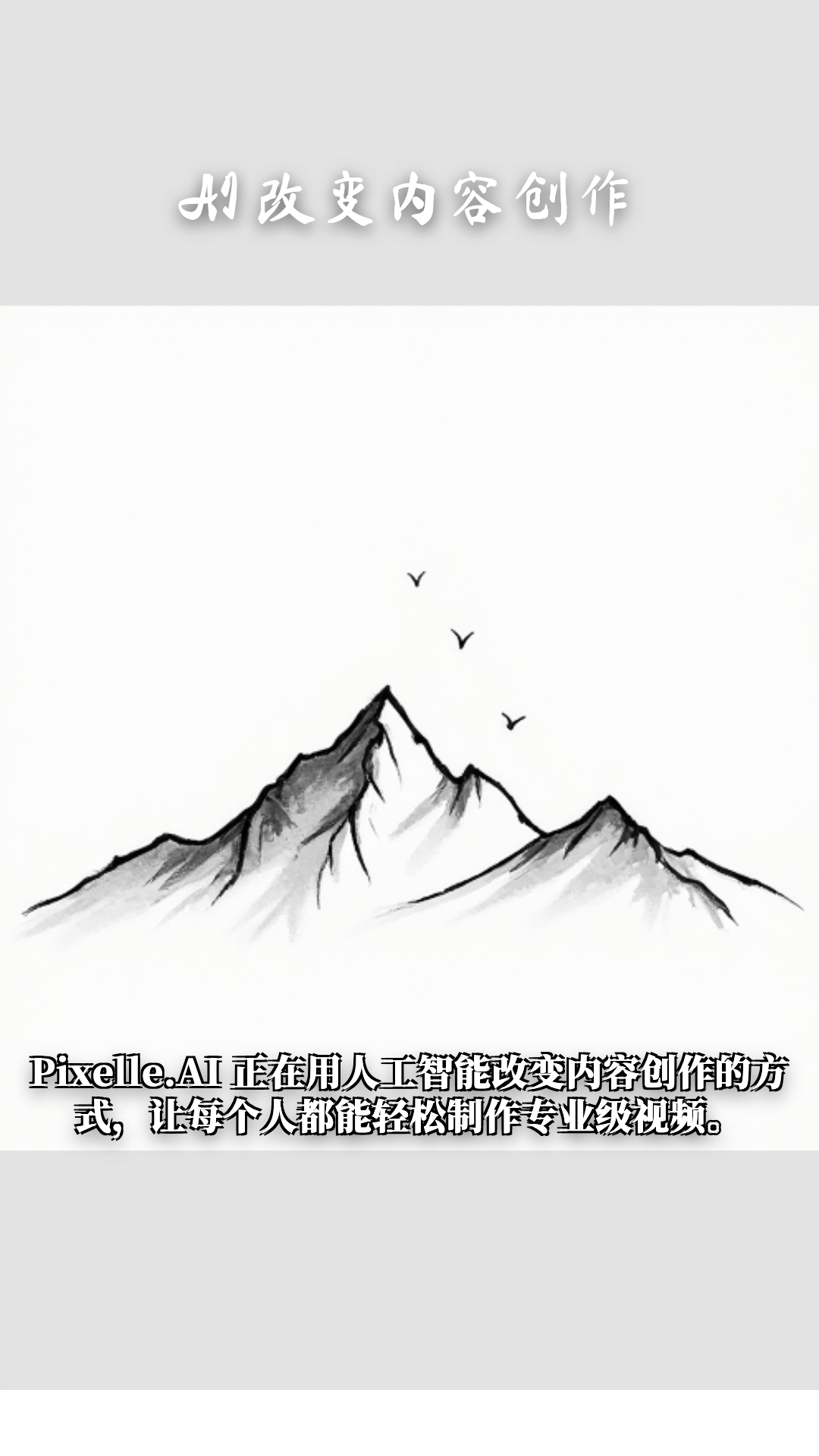
Blurred background card style, suitable for graphic content display
-
Cartoon

Cartoon style, suitable for light and lively content
-
Default

Default template, simple and versatile
-
Elegant
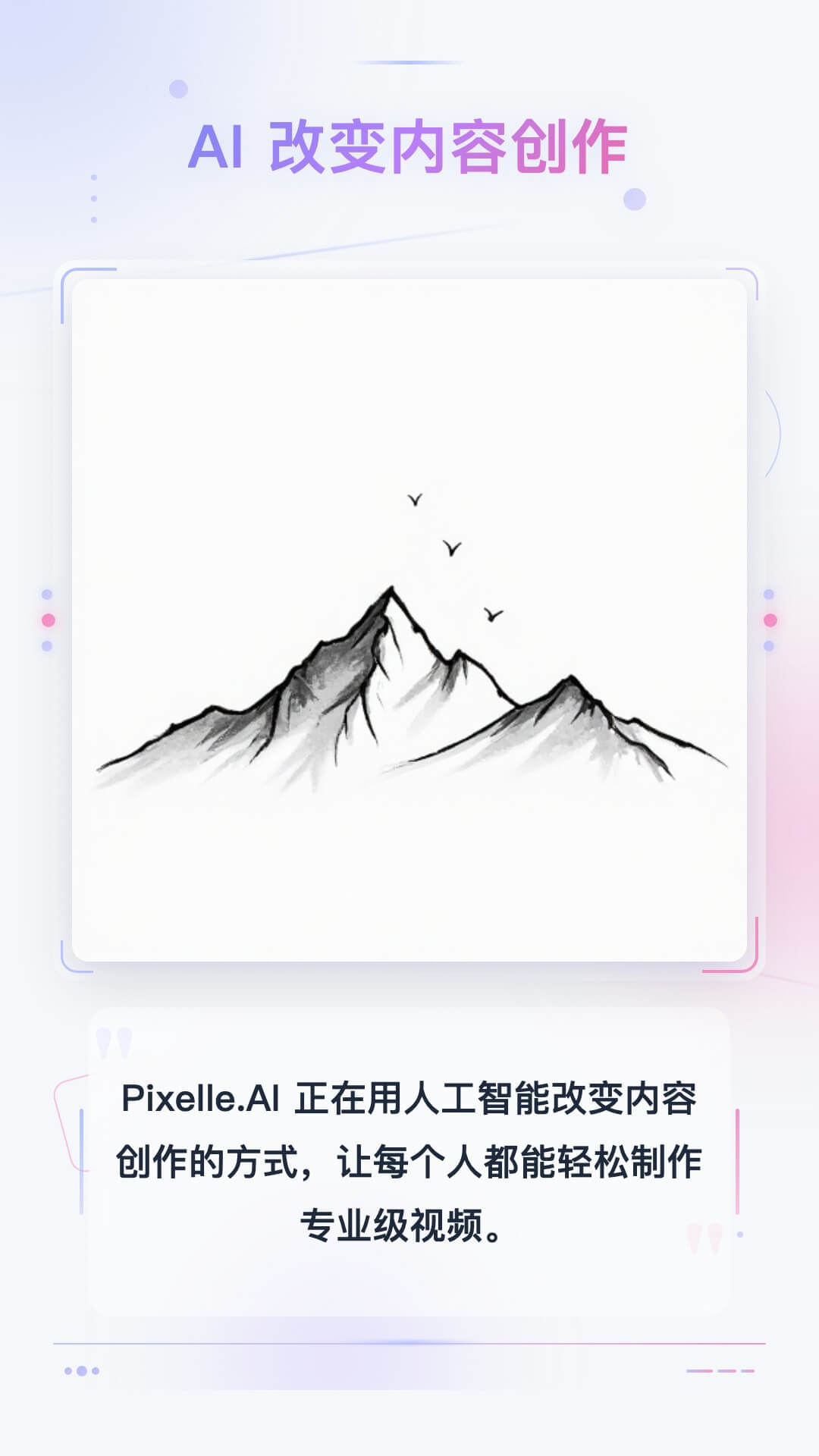
Elegant style, suitable for artistic and intellectual content
-
Fashion Vintage

Retro fashion style, suitable for nostalgic themes
-
Life Insights
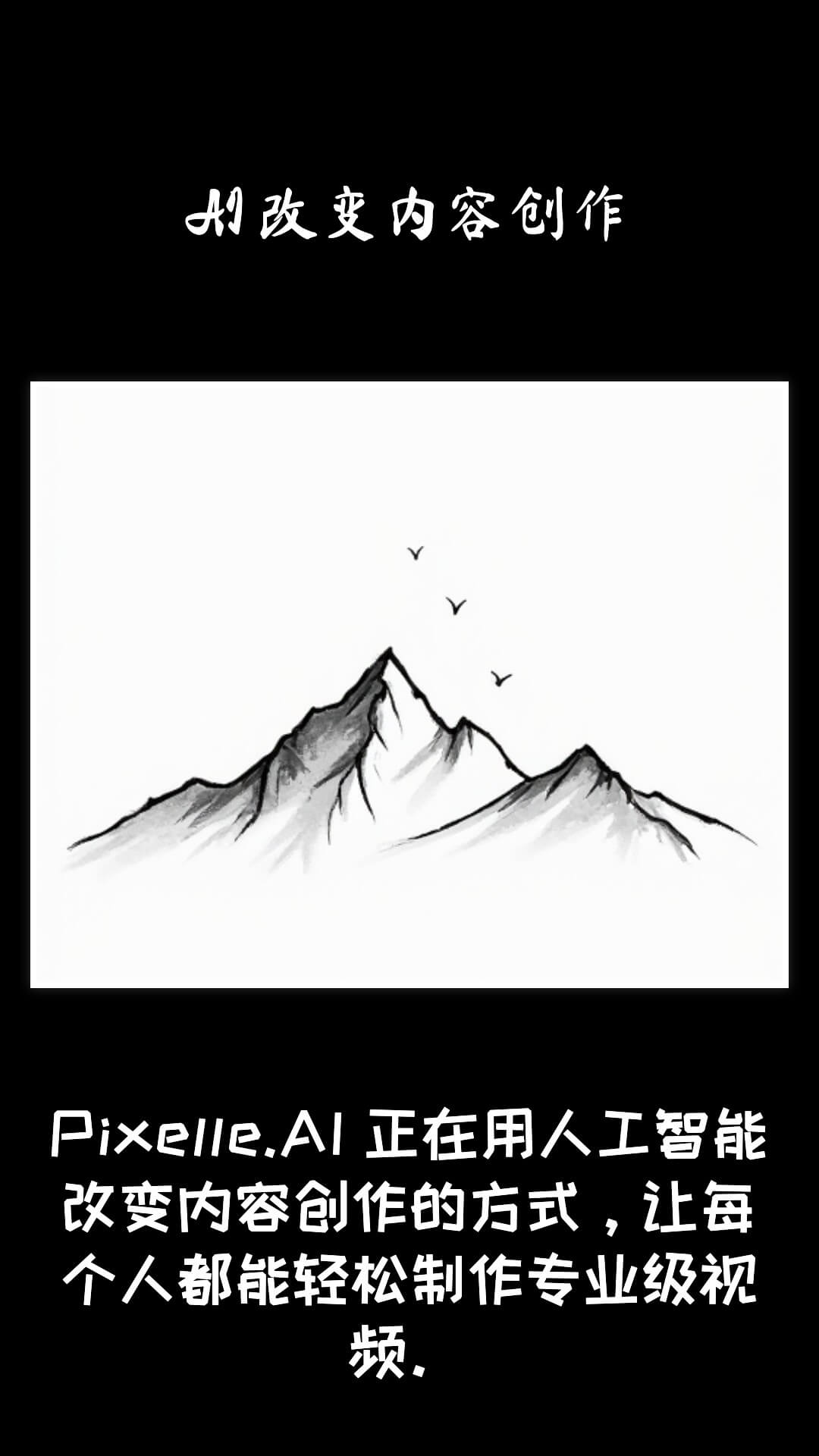
Life insight style, suitable for inspirational content
-
Modern
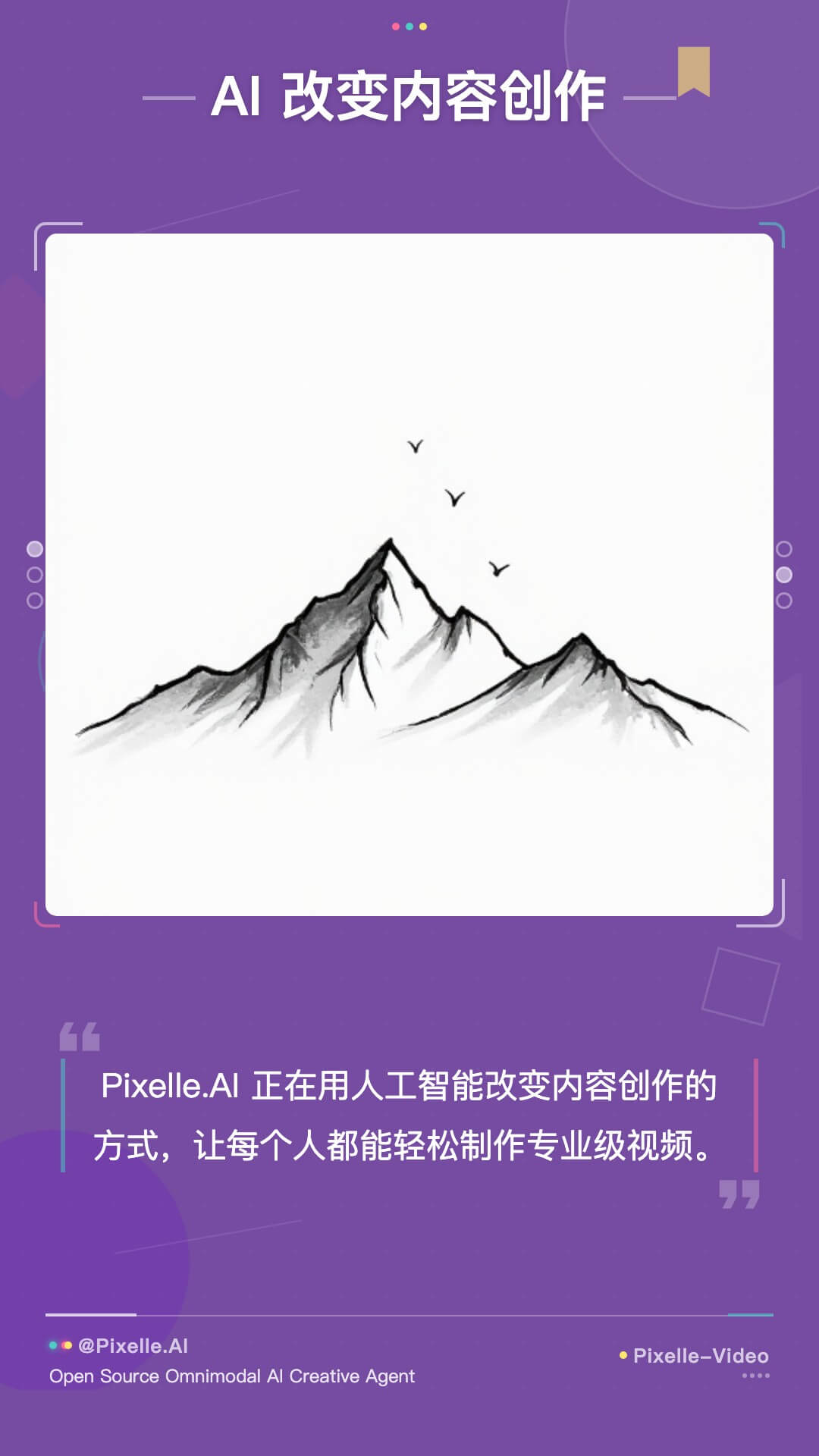
Modern minimalist style, suitable for business and tech content
-
Neon
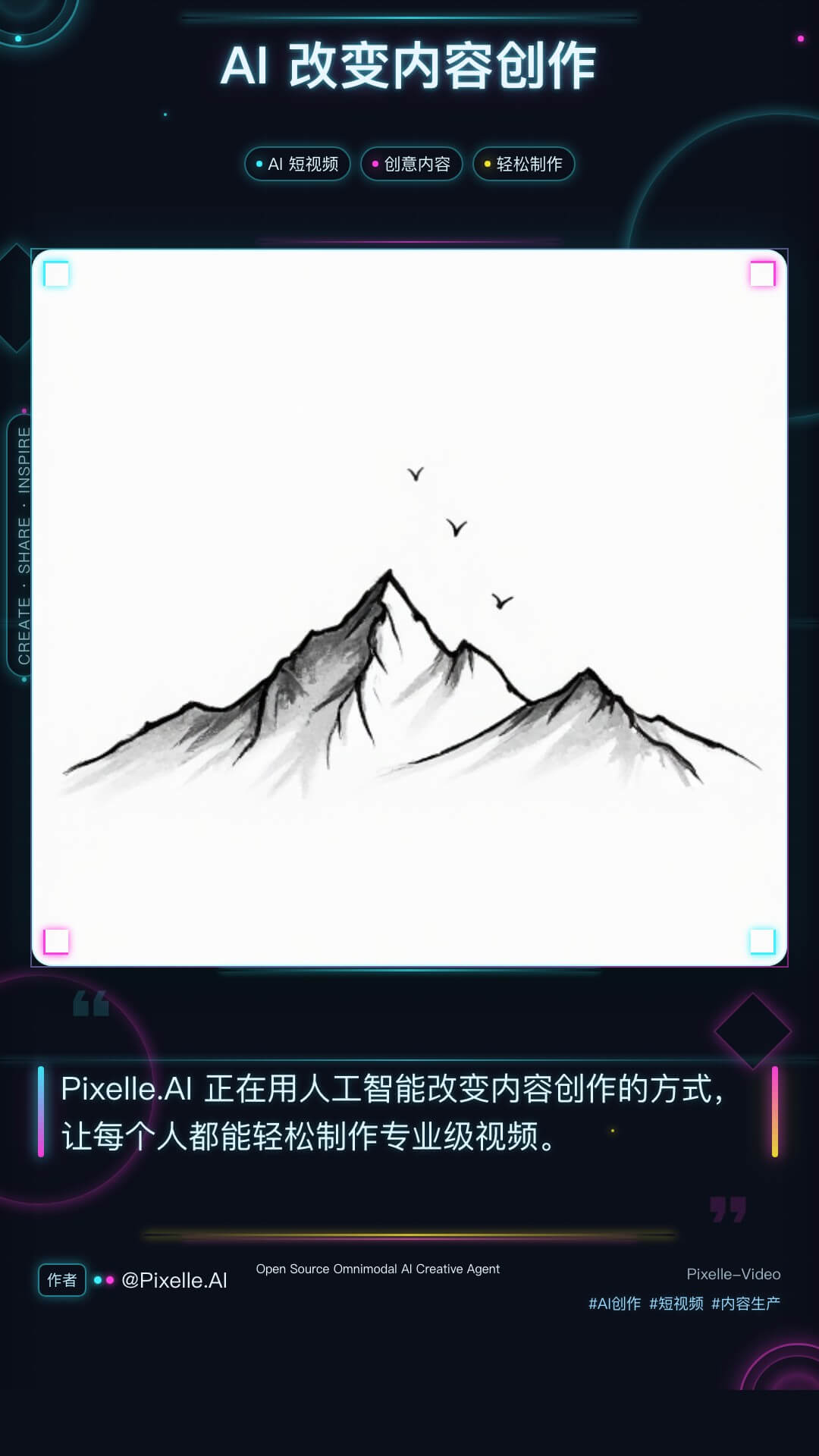
Neon style, suitable for fashion and trendy content
-
Psychology Card

Psychology card style, suitable for knowledge popularization
-
Purple

Purple theme, suitable for dreamy and mysterious styles
-
Simple
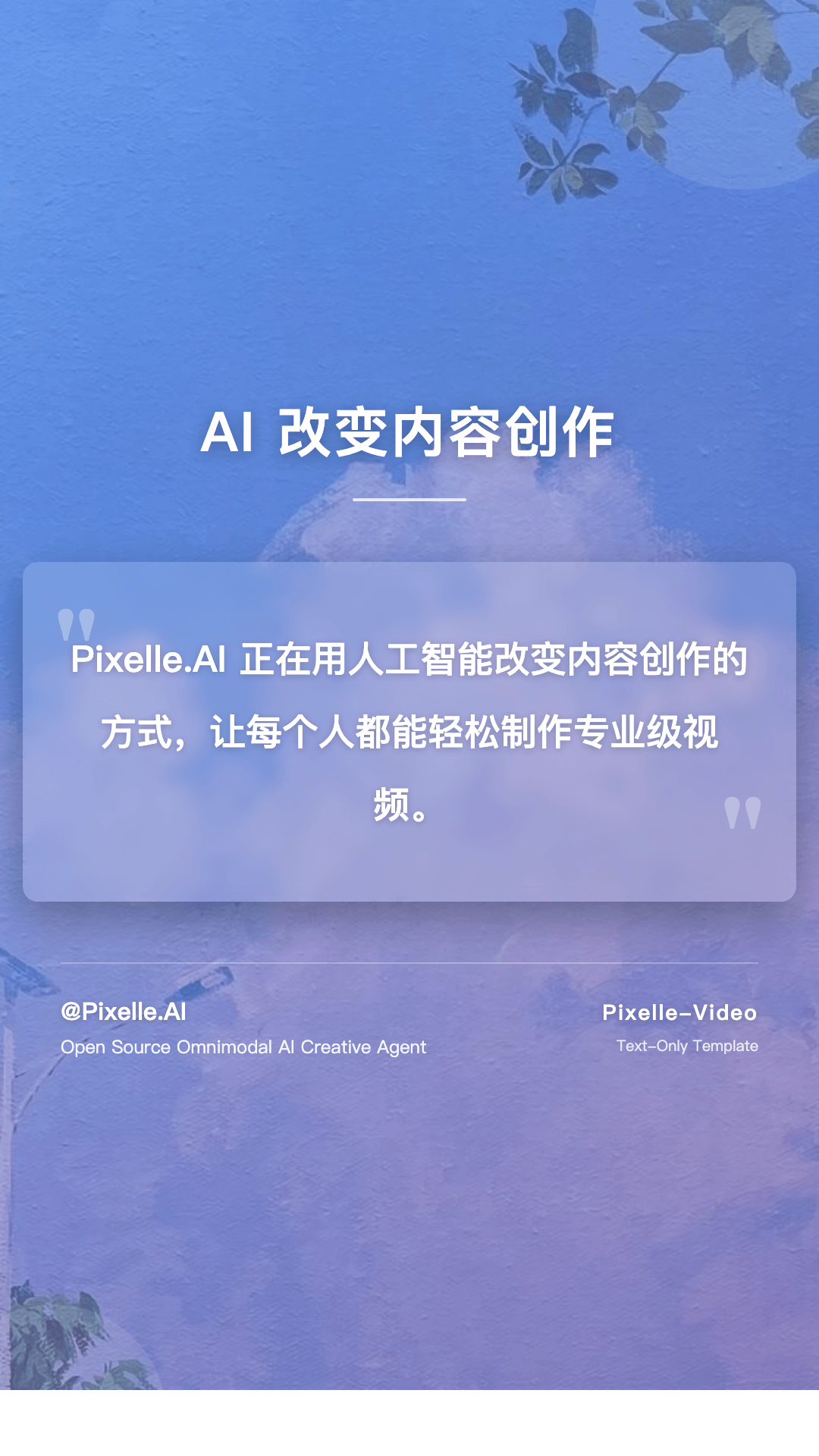
Minimalist style, highlighting the content itself


Landscape Templates (1920x1080)
Suitable for YouTube, Bilibili, and other video platforms.
-
Ultrawide Minimal
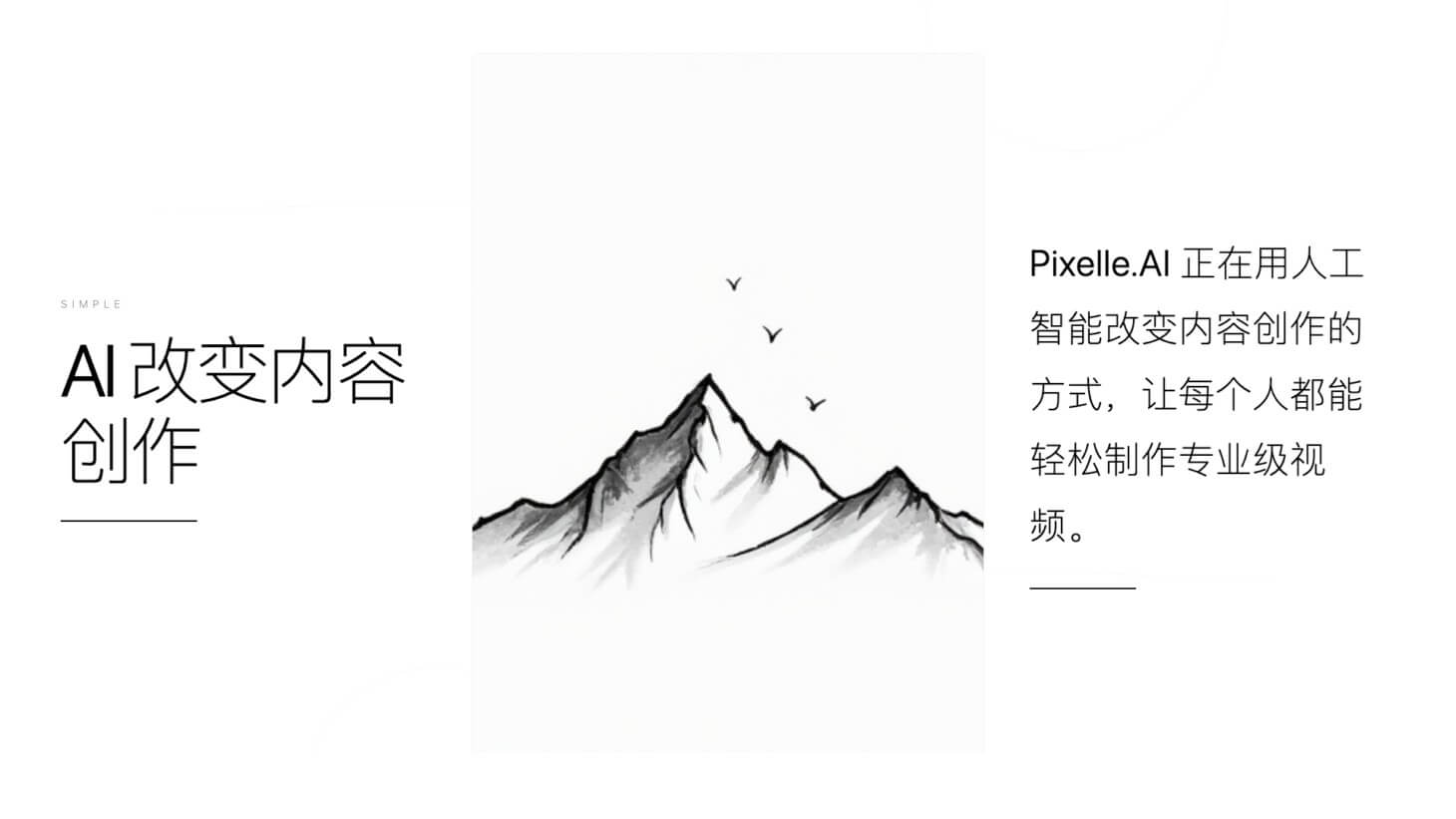
Ultrawide minimalist style, suitable for desktop viewing
-
Wide Darktech
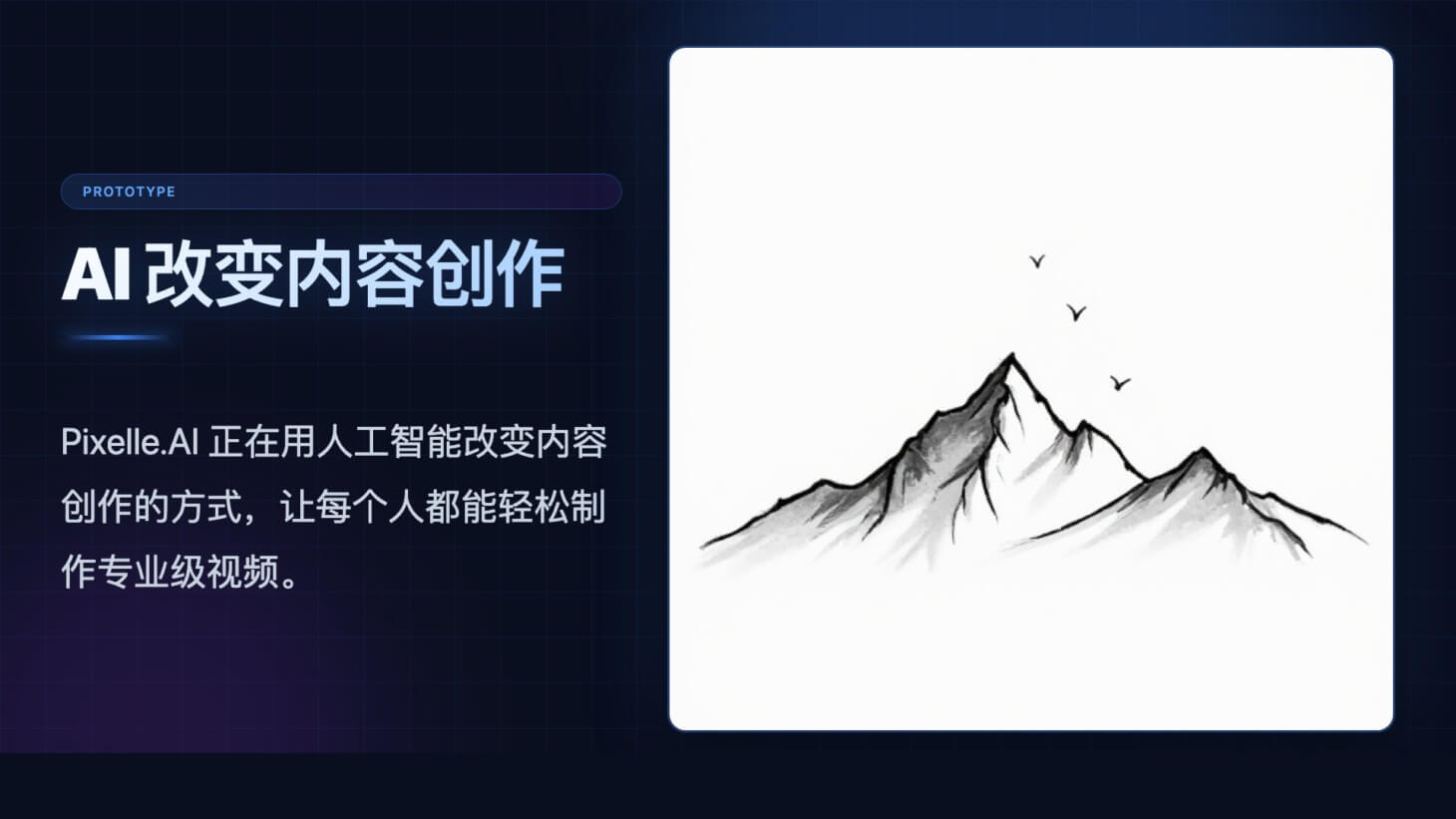
Dark tech style, suitable for technology and gaming content


Square Templates (1080x1080)
Suitable for Instagram, WeChat Moments, and other platforms.
-
Minimal Framed
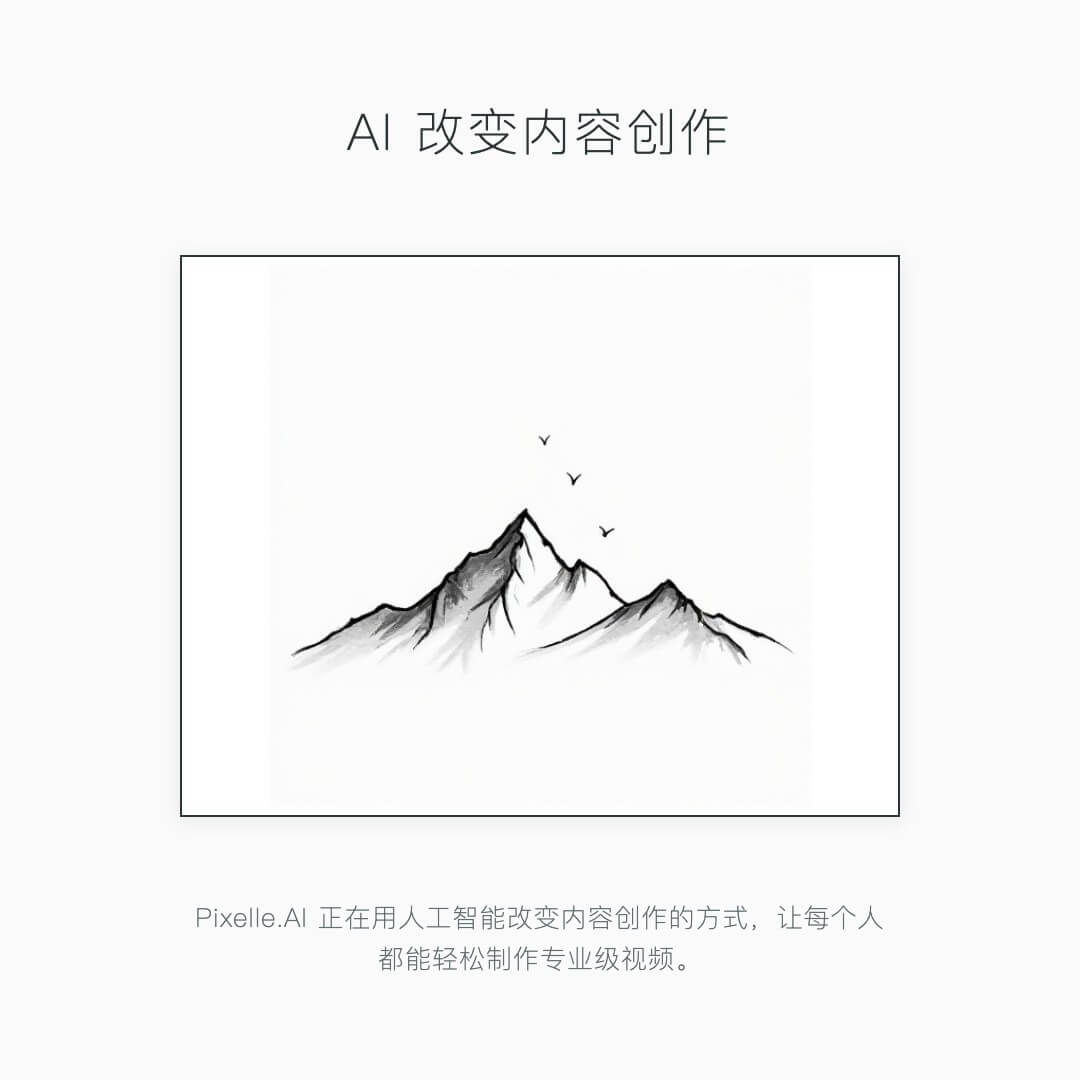
Minimalist framed style, suitable for social media sharing

Template Naming Convention
Templates follow a unified naming convention to distinguish different types:
-
static_*.html: Static templates- No AI-generated media content required
- Pure text style rendering
- Suitable for quick generation and low-cost scenarios
-
image_*.html: Image templates- Uses AI-generated images as background
- Invokes ComfyUI image generation workflows
- Suitable for content requiring visual illustrations
-
video_*.html: Video templates- Uses AI-generated videos as background
- Invokes ComfyUI video generation workflows
- Creates dynamic video content with enhanced expressiveness
Template Structure
Templates are located in the templates/ directory, grouped by size:
templates/
├── 1080x1920/  # Portrait
│   ├── static_*.html   # Static templates
│   ├── image_*.html    # Image templates
│   └── video_*.html    # Video templates
├── 1920x1080/  # Landscape
│   └── image_*.html    # Image templates
└── 1080x1080/  # Square
    └── image_*.html    # Image templates
Creating Custom Templates
Steps
- Copy an existing template file from the
templates/directory - Modify HTML and CSS styles
- Save to the corresponding size directory with
.htmlextension - Use the new template name in configuration or Web interface
Template Variables
Templates support the following Jinja2 variables:
{{ title }}- Video title (optional){{ text }}- Current scene text content{{ image }}- Current scene image (if any)
Example Template
<!DOCTYPE html>
<html>
<head>
    <style>
        body {
            width: 1080px;
            height: 1920px;
            margin: 0;
            background: linear-gradient(135deg, #667eea 0%, #764ba2 100%);
            display: flex;
            align-items: center;
            justify-content: center;
            font-family: 'Arial', sans-serif;
        }
        .content {
            text-align: center;
            color: white;
            padding: 40px;
        }
        .text {
            font-size: 48px;
            line-height: 1.6;
        }
    </style>
</head>
<body>
    <div class="content">
        <div class="text">{{ text }}</div>
    </div>
</body>
</html>
Template Development Tips
1. Responsive Sizing
Ensure the template's body size matches the target video dimensions:
- Portrait:
width: 1080px; height: 1920px; - Landscape:
width: 1920px; height: 1080px; - Square:
width: 1080px; height: 1080px;
2. Text Typography
- Use appropriate font sizes and line heights for readability
- Add shadows or backgrounds to text for better contrast
- Control text length to avoid overflow
3. Image Handling
- Use
object-fit: coverto ensure image filling - Add gradients or overlay layers to improve text readability
- Consider fallback solutions for image loading failures
4. Performance Optimization
- Avoid overly complex CSS animations
- Optimize background image sizes
- Use system fonts or web-safe fonts
More Information
For template development questions, feel free to ask in GitHub Issues.